
Media Training for Executives and Spokespeople
Practical preparation for the moment a microphone is in front of you, built around the interviews you are actually likely to face.
Why media training matters
Senior people are often excellent communicators in a boardroom and uneasy in an interview. The rules are different. Answers need to be shorter, the most important point needs to come first, and a single loose phrase can become the headline. Most people only learn this the hard way.
Media training gives spokespeople a chance to make their mistakes in private. It builds the habits that hold up under pressure: knowing your three main points, answering the question that was asked, and staying calm when the next question is hostile.
What a session covers
- how newsrooms work and what journalists need from an interview
- preparing and using key messages without sounding scripted
- handling difficult, hypothetical and repeated questions
- on the record, off the record and background, and why to be careful with each
- television, radio, print, podcast and online video formats
- doorstops and unplanned approaches
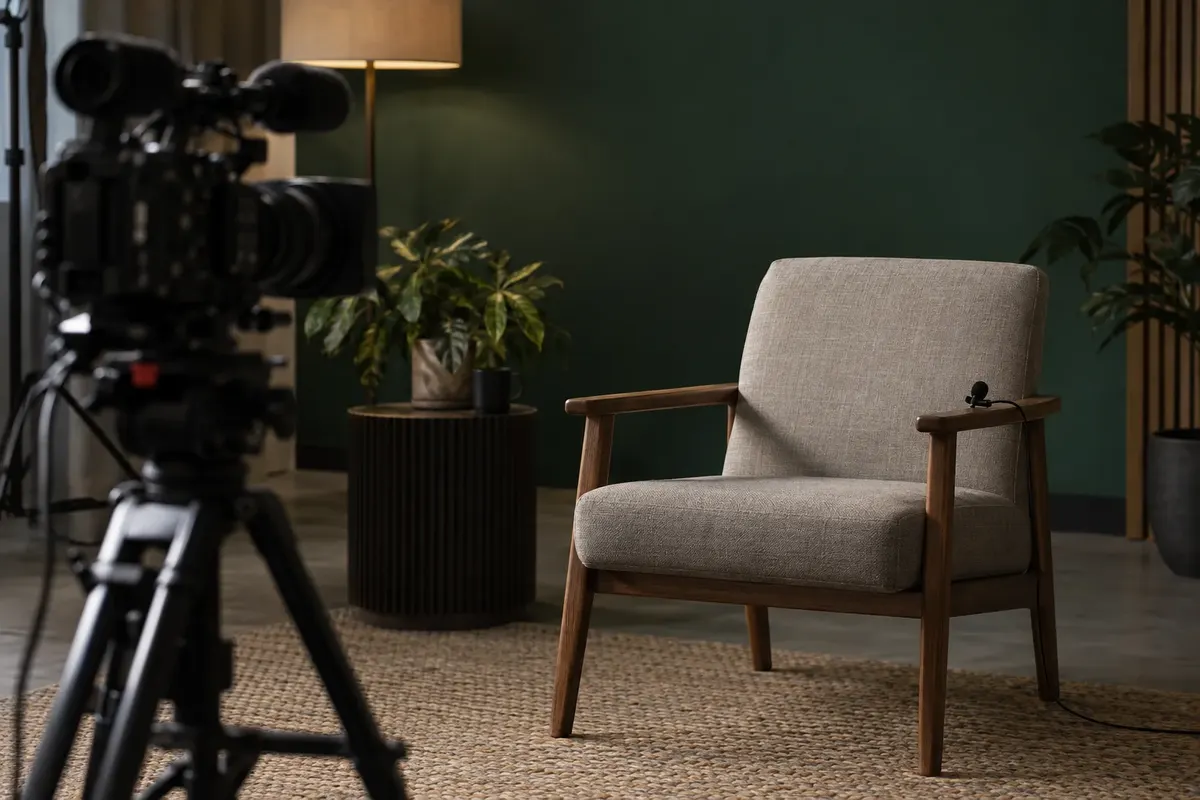
- recorded practice interviews with playback and feedback
Built around your situation
Generic training has limited value. Before each session we learn what you are likely to be asked about: an upcoming announcement, a contested decision, an industry issue or a crisis scenario. The practice interviews use those topics, so the preparation carries straight into the real thing.
Sessions can be one-to-one or for a small group, and range from a short refresher before a specific interview to a fuller program for a new spokesperson. For people preparing to appear before a parliamentary committee or a public hearing, we can tailor the session to that format, working alongside your legal advisers where needed.
After the session
Each participant receives brief written notes on what worked, what to watch and the messages to keep practising. Where an interview is scheduled, we can help with final preparation on the day and a debrief afterwards.
Different formats, different skills
Television
Answers need to be short and visual. How you look and sound matters as much as what you say, and a pre-recorded interview may be cut down to a single sentence.
Radio and podcasts
Live radio is unforgiving: there is no edit, and talkback can bring questions you did not expect. Longer podcast conversations reward preparation of examples and stories rather than slogans.
Print and online
Print interviews feel relaxed and can run long, which is exactly when people say more than they meant to. Everything is on the record unless agreed otherwise in advance.
Who it suits
Media training is useful for chief executives and chairs, senior managers who may need to front a story, subject experts who are asked for comment, and anyone stepping into a spokesperson role for the first time. It is also worthwhile as a refresher before a significant announcement or a period of public scrutiny.
How it works
Scoping call
We agree who is being trained, the topics they are likely to face and the formats that matter most.
Preparation
We research the issues and prepare realistic interview scenarios and questions.
Session
Practice interviews, playback and coaching, either at your premises in Melbourne, Canberra or Sydney, or remotely.
Notes and follow-up
Written feedback for each participant, and support before real interviews if needed.
Media training in our cities
We run sessions in person across Melbourne and travel to clients in Canberra and Sydney. See public relations in Melbourne, public relations in Canberra and public relations in Sydney.